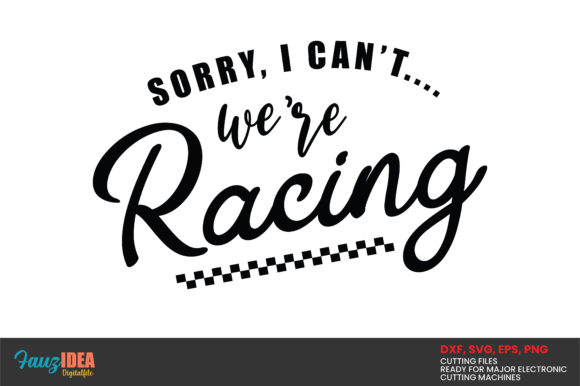
We re Racing Embroidery Design Review
As a designer who spends half the day staring at stitch paths and the other half worrying about client deadlines, I don’t just look at an embroidery file; I look for viability. When We re Racing landed in my inbox, my first instinct was to check the geometry. Is it clean? Does it hold up when scaled down? Can it survive the rigors of a production run or a busy craft fair weekend? After running some test stitches and visualizing how this design would translate from screen to fabric, here is my honest breakdown of how this piece fits into real-world projects.
First Impressions: Mood and Visual Personality
The title We re Racing immediately sets a tone of kinetic energy and playful competition. It isn’t just text; it’s a statement. The layout feels dynamic, suggesting speed and motion even in a static image. For designers, this is crucial because embroidery can sometimes flatten out energetic graphics if the stitch direction isn’t managed well. From what I can see in the vector structure, the lines are bold enough to read clearly but detailed enough to feel custom-made rather than generic clip art.
This design naturally belongs to the world of sports, hobbies, and active lifestyles. It has that "handmade boutique" vibe that customers love—it feels personal, like something made specifically for a team captain, a marathon runner, or a kid who loves go-karts. It doesn’t scream corporate branding; it whispers community spirit. That distinction matters when you are building a brand identity for a small shop or crafting a personalized gift.
Real-World Application: Where This Design Shines
I’ve been thinking through where We re Racing would actually sell or get used. Let’s talk about specific scenarios, because that’s where the rubber meets the road.
- Custom Apparel and Sweatshirts: Imagine a cozy, oversized sweatshirt for a local trivia night team or a family reunion. The design works beautifully on the chest or back. On a heavyweight cotton blend, the threads will sit high and crisp, giving that tactile quality that makes people want to touch the garment. It elevates a basic tee into a keepsake.
- Tote Bags and Canvas Goods: A sturdy canvas tote with We re Racing embroidered on it is a winner. Whether it’s for a book club, a yoga class, or a race-day outfit, the contrast between the rough texture of the canvas and the smooth satin stitches creates a premium look. It’s practical merch that people will actually use, not toss in a drawer.
- Baby and Nursery Items: Don’t overlook the soft market. A onesie or a burp cloth with this design could be a hit for gender-neutral baby showers. Parents love embroidery because it’s durable and safe (no plastic prints to peel off). Just ensure the thread colors are soft pastels or muted tones to balance the energetic text.
- Embroidered Patches and Caps: If you are selling accessories, this design translates well to hook-and-loop patches for backpacks or baseball caps. The shape likely lends itself to a standard 4x4 hoop, making it easy to produce in batches for Etsy sellers looking to stock their shops with trendy accessories.
- Holiday and Seasonal Gifts: Think about holiday parties where teams compete in ugly sweater contests or office Olympics. This design is perfect for those one-off, fun moments. It captures the spirit of friendly rivalry without being aggressive.
Technical Considerations and Potential Pitfalls
No design is perfect, and knowing where to draw the line is part of being a professional. Here is where you need to be careful with We re Racing.
Small Hoop Sizes: If you try to cram this into a tiny 3x3 hoop, you might lose legibility. The spacing between letters needs room to breathe. If the text gets too squished, the "racing" energy turns into a muddy blob. Always preview your design in the software at the actual hoop size you intend to use.
Fabric Texture and Stretch: While this design looks robust, avoid using it on highly textured fabrics like bouclé wool or extremely thin, slippery silks unless you are very experienced with stabilizers. On stretchy knits, you risk puckering if the underlay stitches aren’t dense enough. Test on scrap fabric first—this is non-negotiable advice. You need to see how the fabric reacts to the tension of the needle.
Dense Stitch Areas: Check the fill density. If the design uses heavy satin stitches for the lettering, it might become stiff and uncomfortable against the skin, especially on baby clothes or innerwear. For apparel that touches the neck or wrists, lighter stitch counts are preferable. However, for outerwear like jackets or bags, a denser stitch adds durability and a luxurious feel.
Dark Fabrics: If you are embroidering this on black or navy fabric, make sure you have a contrasting thread color plan. White or bright yellow thread will pop, but you may need a cut-away stabilizer to prevent the dark fabric from showing through the stitches. Also, consider how the background interacts with the design elements. A light background on dark fabric can sometimes create a halo effect if the tension is off.
Impact on Product Value and Brand Trust
Using a well-executed design like We re Racing does more than just decorate a product; it signals professionalism. When a customer receives a handmade item with clean stitching and no loose threads, they trust the maker. They assume the rest of the business is equally careful.
For Etsy sellers and small business owners, this means higher perceived value. A machine-printed shirt might cost $15, but a hand-finished embroidered version with a strong graphic like this can command $30–$40 easily. Customers are paying for the time, skill, and unique aesthetic of embroidery. It differentiates your products from mass-produced items found in big-box stores.
Furthermore, designs with clear themes like racing or sports tend to have high engagement. People love to show off their hobbies. When someone wears a tote bag with We re Racing, they are signaling their identity. This emotional connection drives word-of-mouth marketing. Your customers become your billboard.
Practical Designer Notes for Execution
Before you start churning out finished products, keep these tips in mind:
- Test on Scrap Fabric: Never run a full production batch without testing. Use the exact fabric and stabilizer combination you plan to sell with. Watch for puckering, thread breaks, or misalignment.
- Check Thread Color Contrast: Run a mockup in black and white. If the design disappears or loses detail in grayscale, it might struggle in low-light conditions or on certain fabric colors.
- Review Stitch Density: Look closely at the transition areas between fills and satins. Are there any gaps? Is the jump stitch length reasonable? Long jump stitches can snag on things or look messy on the back.
- Confirm Licensing: Since this is a digital asset, verify the license terms before selling finished goods. Some licenses allow commercial use, while others restrict the number of units you can produce. Protect your business by reading the fine print.
- Inspect Small Details: Zoom in on the corners of the letters and any decorative accents. Are they sharp? Will they fray over time? Durability is key for items that will be washed frequently.
Final Verdict
We re Racing is a solid addition to any embroidery library. It strikes a good balance between readability and style, making it versatile for everything from baby gifts to adult apparel. It works best when paired with sturdy fabrics and appropriate stabilizers to maintain its structural integrity. For designers looking to add a touch of energy and personality to their handmade products, this design delivers. Just remember: the success of the final product often comes down to the preparation, not just the file itself. Test thoroughly, choose your threads wisely, and let the craftsmanship speak for itself.