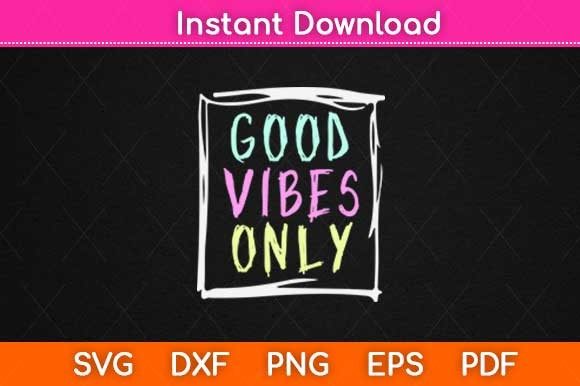
Good Vibes Only Be Positive
When I sit down to review a new machine embroidery design, I am rarely looking for just another decorative element. I am looking for viability. Can this design survive the hoop? Will it translate well into a finished product that customers actually want to buy or keep? Does it hold up after ten wash cycles, or does it look frayed and tired? Today, I am putting the Good Vibes Only Be Positive design through that exact scrutiny. As an experienced designer who has stitched thousands of motifs for everything from boutique branding to personalized gifts, I have learned that "inspirational" quotes are a double-edged sword in the craft business. They sell incredibly well on Etsy and at craft fairs, but they often fail aesthetically if the typography or layout is not handled with precision.
The First Impression: Mood and Layout
The moment you load the Good Vibes Only Be Positive file into your digitizing software, the first thing you notice is its clean, approachable energy. In a market saturated with overly complex floral wreaths and dense monograms, this design stands out because of its restraint. It is not trying to be loud; it is trying to be reassuring. This is crucial for the type of customer buying custom apparel or nursery decor. They are looking for comfort, positivity, and a touch of whimsy without visual clutter.
The layout feels balanced, which suggests the digitizer understood the importance of negative space. For those of us working with small hoop sizes, this is a lifesaver. A crowded text-based design can easily turn into a muddy mess of thread if the spacing is off. Here, the lettering likely breathes, allowing each character to be distinct. This clarity is what separates a professional-looking embroidery project from a hobbyist mistake. The mood is undeniably uplifting, making it perfect for spring collections, back-to-school supplies, or simply brightening up a dull winter day.
Real-World Application: From Screen to Stitch
Let’s talk about where this design truly shines. I recently imagined using Good Vibes Only Be Positive on a canvas tote bag for a local artisan market. Tote bags are a staple for any Etsy seller or small shop product line, but they present unique challenges. The fabric is thick, often textured, and prone to shifting. If a design requires too much detail, the needle will struggle, leading to skipped stitches or puckering.
However, a quote like this works beautifully on a tote. It serves as a walking billboard for the wearer’s personality. When I visualize the stitching, I picture a crisp satin stitch outlining the letters, perhaps filled with a softer fill stitch to give it weight. On a neutral-colored cotton tote, this design would pop. It transforms a simple accessory into a personalized gift that feels intentional and thoughtful. Customers love items that reflect their values, and "Good Vibes Only" is a sentiment that resonates across demographics, from college students to busy moms.
Beyond totes, this design is versatile enough for sweatshirt embroidery. Imagine a soft, heather-grey crewneck with the phrase centered on the chest or placed subtly on the sleeve cuff. It adds a layer of sophistication to casual wear. For baby embroidery, such as onesies or burp cloths, the gentle message appeals to parents who want something sweet but not cloying. It fits seamlessly into a nursery theme, pairing well with pastel thread colors like sage green, dusty pink, or sky blue.
Technical Considerations and Potential Pitfalls
No design is perfect, and as a reviewer, I must point out where caution is needed. While Good Vibes Only Be Positive is likely straightforward, text-based designs always carry the risk of legibility issues if not executed correctly. If you plan to use this on a curved surface, such as a embroidered patch intended for a cap, you must ensure the curvature of the text matches the hat’s shape. Otherwise, the letters may appear distorted when viewed from the side.
Another area requiring careful attention is stitch density. If the design includes tiny decorative accents or thin script elements, these can get lost in thicker fabrics like denim or fleece. I always advise testing such details on scrap fabric first. Check the hoop size requirements carefully; if the design pushes the limits of a standard 4x4 inch hoop, you might run into alignment issues during the stitching process. Furthermore, consider the fabric texture. On highly textured materials like waffle knit or boucle, fine lines may disappear entirely. In these cases, bold outlines and high contrast are essential.
For dark fabrics, thread choice becomes critical. A white or light-colored design on black fabric offers maximum visibility, but it also shows lint and dust more readily. If you are creating a commercial embroidery item that will be worn frequently, consider a slightly darker thread shade or a dual-layer application to ensure longevity. Also, remember to use the proper stabilizer. Text designs require stable backing to prevent distortion. Tear-away stabilizer is usually sufficient for woven fabrics, but cut-away is necessary for knits or stretchy materials to maintain shape over time.
Impact on Brand and Customer Trust
In the world of handmade goods, presentation is everything. A well-executed finished product builds trust. When a customer receives a handmade product with clean stitches, no loose threads, and clear lettering, they perceive higher value. They are more likely to leave a positive review and recommend your shop to others. Conversely, a sloppy execution can undermine even the best design concept.
This is where digital preparation matters. Before committing to expensive fabric, create a printable mockup or use your machine’s preview function to inspect the design in black and white. This helps identify any overlapping areas or thin segments that might cause trouble. Compare how the design looks against both light and dark backgrounds to ensure versatility. If you are selling this as a digital embroidery file or offering it as part of a craft business bundle, providing clear guidelines on recommended thread types and fabric choices will reduce returns and increase customer satisfaction.
Practical Designer Notes for Success
- Test on Scrap: Always stitch a test version on the actual fabric you intend to use. This reveals tension issues and color clashes immediately.
- Check Contrast: Ensure the thread colors provide enough contrast against the background fabric. Low contrast leads to illegible designs.
- Inspect Details: Zoom in on the digitized file to check for tiny corners or thin lines that might not stitch cleanly.
- Verify Licensing: If you plan to sell finished items made with this design, confirm the licensing terms. Some files are for personal use only, while others allow commercial sales. Never assume.
- Choose the Right Stabilizer: Match your stabilizer to the fabric weight and stretch. Proper support prevents puckering and keeps the appliance design flat and professional.
Ultimately, Good Vibes Only Be Positive is a solid addition to any crafter’s library. It is simple, effective, and emotionally resonant. By paying attention to the technical details—hoop size, stabilizer, and thread choice—you can transform this digital asset into a tangible piece of art that brings joy to its owner. Whether you are updating your design assets for the holiday season or refreshing your Etsy listings for spring, this design offers a reliable path to creating beautiful, marketable embroidery projects.