Teach Love Inspire Quote Design Review
As a designer who spends more time than I care to admit staring at stitch density charts and testing thread tension, I approach every new embroidery file with a mix of curiosity and skepticism. The market is flooded with digital assets, but few actually translate well from a screen to the fabric under the needle. Today, I am putting the Teach Love Inspire Quote Design through its paces. This piece falls squarely into the Crafts and Graphics categories, promising versatility for printing, cutting, and designing. But does it hold up when you are trying to create a high-quality handmade product that customers will actually love? Let’s dive into the practical realities of using this design.
First Impressions and Visual Personality
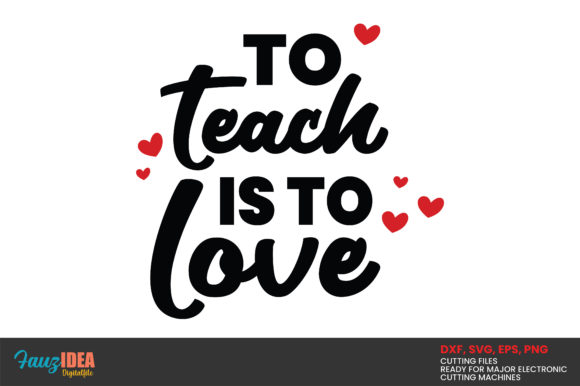
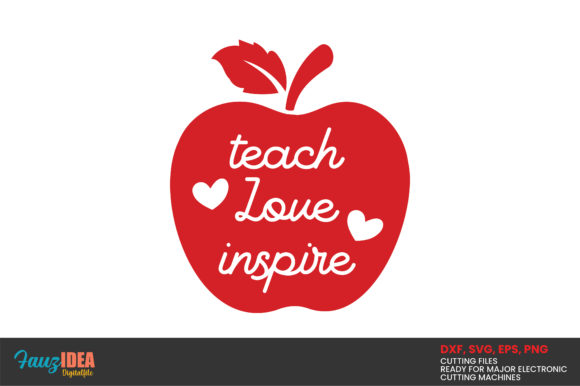
The moment you load the Teach Love Inspire Quote Design, the mood is immediately established. It isn’t just text; it is an emotional anchor. The typography feels intentional, balancing readability with artistic flair. For an embroidery project, legibility is king, especially when dealing with quotes. If the viewer has to squint to read "Teach," "Love," or "Inspire," the message fails. In this case, the layout feels open and breathable, which is a huge plus for stitching. It suggests a design that relies on clean lines rather than chaotic detail, reducing the risk of puckering or tangled threads.
Visually, this design exudes warmth and professionalism. It doesn’t scream for attention like a neon graphic; instead, it invites the eye in. This makes it incredibly versatile. It fits naturally into the aesthetic of a boutique brand that values minimalism, a nursery decor line that prioritizes softness, or a personal gift for a teacher or mentor. The visual personality is calm, encouraging, and timeless. It avoids trendy fonts that might look dated in six months, making it a safer investment for long-term commercial embroidery projects.
Real-World Application: The Tote Bag Scenario
To truly test a design, you have to imagine it in the wild. Let’s say I am preparing a custom order for a local teacher who loves her craft. She wants a durable, stylish tote bag design that reflects her philosophy. I pull up the Teach Love Inspire Quote Design. My first thought is placement. A centered chest position on a canvas tote is classic, but the design’s balance also works beautifully on the front pocket or even as a vertical stripe down the side.
When I visualize the stitching, I see how the satin stitch outlines would catch the light on cotton twill. The quote becomes a tactile element, not just a visual one. Customers running their fingers over the embroidery feel the quality. This adds perceived value to the finished product. Unlike a printed decal that might peel after washing, embroidered text integrates with the fabric. For a small shop product like this, the distinction between mass-produced and handmade is crucial. This design supports that distinction by allowing for texture and depth that prints simply cannot replicate.
Apparel and Soft Goods Versatility
Beyond totes, this design shines in other areas. Imagine a sweatshirt embroidery project for a cozy autumn collection. The quote sits comfortably on the back yoke or across the front hem. The theme of inspiration pairs perfectly with the comfort of knitwear. Similarly, for baby embroidery, such as on a muslin cloth or a tiny onesie, the gentle message resonates with parents looking for meaningful keepsakes. The design is simple enough to work on small scales but detailed enough to look premium on larger garments.
I also see potential in kitchen textiles. A set of tea towels featuring this quote could be a hit during the holiday season. It bridges the gap between functional home goods and decorative art. When packaged nicely, it transforms from a simple towel into a thoughtful personalized gift. The ability to use this file for both apparel and home decor expands your inventory options without needing to design multiple unique pieces.
Technical Considerations and Stitch Behavior
While the visual appeal is strong, any experienced embroiderer knows that the devil is in the details. When working with the Teach Love Inspire Quote Design, you must pay close attention to stitch density. Quotes often involve tight lettering, which can lead to issues if the density is too high. You want to ensure that the fill stitch areas (if present) are not so dense that they make the fabric stiff or cause the needle to break. Conversely, if the design relies heavily on running stitch for outlining, you need to check that the spacing allows for clear definition without looking sparse.
Another critical factor is the choice of thread colors. Because this is a quote-based design, contrast is non-negotiable. On dark fabrics, you will need bright or metallic threads to ensure the words pop. On light fabrics, darker threads provide elegance. I always recommend testing the design in a black-and-white mockup first. This strips away color bias and lets you judge the true clarity of the shapes and letters. If the design looks muddy in grayscale, it will likely struggle in color.
Fabric and Stabilizer Choices
The success of this embroidery project also depends heavily on your substrate. Stable fabrics like cotton, denim, and canvas are ideal. They provide the necessary structure for the stitches to sit flat. However, caution is required when moving to textured or stretchy materials. Knits, for example, require a stabilizer that can handle movement without distorting the hoop size. If you attempt this design on a thin, slippery fabric without proper backing, you risk distortion, which ruins the professional look of the final item.
For curved surfaces like caps or hats, the design’s curvature needs to match the hat’s profile. While many modern machines offer 3D puff or curved editing, starting with a design that has natural flow reduces the need for complex adjustments. The Teach Love Inspire Quote Design appears to have a linear flow, which generally translates well to standard cap panels, but always inspect the corners of the text to ensure they don’t get lost in the curve.
Strategic Advice for Sellers and Makers
If you are an Etsy seller or running a craft business, this design offers excellent utility. It appeals to a broad demographic: teachers, mentors, parents, and anyone who appreciates motivational decor. To maximize its potential, consider creating a range of printable mockups that show the design on various products. Show it on a mug, a shirt, and a pillow. This helps buyers visualize the versatility and increases conversion rates.
However, before you start producing, there are essential checks to perform. First, confirm the licensing terms. The description mentions the file can be used for printing, cutting, and designing, but it is vital to verify if commercial use is permitted for physical goods. Selling finished items usually requires a different license than selling digital downloads. Second, test the design on scrap fabric from your actual production line. Fabric batches vary, and what works on one roll of cotton might behave differently on another. Check for thread snags, needle breaks, and overall stability.
Avoiding Common Pitfalls
Be wary of using this design on products that undergo frequent, harsh washing. While embroidery is durable, excessive agitation can loosen threads over time, especially if the design has loose ends or intricate details. For items like dishcloths or high-use aprons, ensure the design is anchored well. Additionally, avoid placing dense stitch areas directly over seams or zippers, as the underlying bulk can cause uneven stitching. Always trim excess stabilizer cleanly to maintain a polished finish.
In conclusion, the Teach Love Inspire Quote Design is a solid, emotionally resonant asset for any designer’s toolkit. Its strength lies in its clarity and adaptability. It respects the medium of embroidery by avoiding overly complex details that fight against the needle. Whether you are creating a one-off personalized gift or scaling up a line of custom apparel, this design provides a reliable foundation. By paying attention to fabric choice, thread contrast, and proper stabilization, you can transform this digital file into a tangible piece of art that customers will cherish. Just remember to test thoroughly, respect the technical limits of your machine, and let the quality of your craftsmanship speak for itself.