Santa Countdown: A Designer’s Review for Holiday Embroidery Projects
As a designer who spends more time than I care to admit staring at stitch lines and debating thread tension, I approach every new digital asset with a healthy dose of skepticism. The market is flooded with generic holiday graphics, but few actually translate well from a screen to the hoop. That is exactly why I decided to put Santa Countdown through its paces before recommending it to my network of craft business owners and serious hobbyists. This isn’t just another clipart file; it is a functional machine embroidery design intended to bring warmth and personalization to your winter collection.
I pulled this file because the concept is simple yet effective: a countdown timer that allows the wearer or recipient to mark the days until Christmas. For an Etsy seller or someone running a small boutique shop, this offers a unique selling proposition that static holiday designs simply cannot match. It invites interaction. It creates anticipation. But does it hold up under the needle? Let’s dive into the practical realities of using Santa Countdown in real-world production.
First Impressions and Visual Personality
When you first open the file, the layout immediately signals that this is designed for clarity. In the world of embroidery design, complexity is often the enemy of execution. If a design tries to do too much, the result is usually a tangled mess of thread that loses its shape after a single wash. Santa Countdown avoids this trap by focusing on legibility and charm rather than intricate detail.
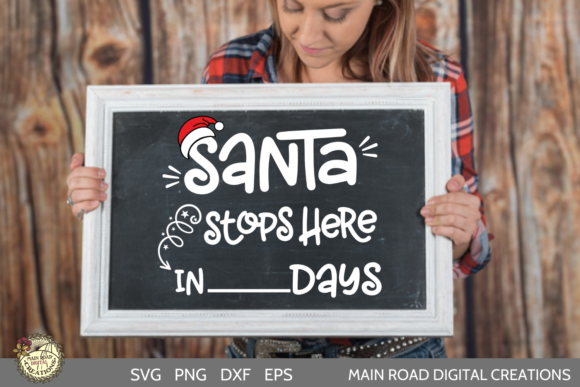
The visual personality of the design feels cozy and traditional. It evokes the feeling of a handwritten note on a fireplace mantel rather than a high-tech graphic. This mood is crucial for holiday embroidery. Customers buying handmade gifts are looking for sentimentality. They want their items to feel like they were made with care, not churned out by a factory. The clean lines and balanced spacing of the text ensure that the message "Santa Stops Here in ___ Days" reads instantly, even from a distance. This readability is a huge plus for custom apparel where the design might be viewed across a room at a party or gathering.
From a branding perspective, this design works exceptionally well for shops that specialize in family-oriented products. Whether you are creating matching family pajamas or personalized nursery decor, the aesthetic fits seamlessly into a cohesive brand identity. It feels professional without being stiff, which is a delicate balance to strike in the crafts category.
Real-World Application: From Tote Bags to Baby Items
To truly test a design, you have to imagine it on actual products. I spent some time visualizing how Santa Countdown would perform on various substrates, and the versatility here is impressive. One scenario that stood out was the potential for custom embroidered tote bags. Imagine a sturdy canvas bag with this design stitched prominently on the front. As the days tick down, the bag becomes part of the daily ritual. It transforms a simple accessory into a keepsake.
Another strong use case is baby clothing. The softer, rounded feel of the design makes it perfect for baby embroidery. Think of a onesie or a burp cloth with the countdown stitched near the hem. Parents love personalization, and this design allows them to mark the final weeks of pregnancy or the first Christmas of a newborn. It adds emotional value to a handmade product, which can justify a higher price point in your Etsy listings.
For those in the apparel decorator space, this design shines on sweatshirts and hoodies. The contrast between the fabric texture and the smooth stitches of the text creates a tactile experience that customers appreciate. It also works beautifully as an embroidered patch that can be ironed or sewn onto denim jackets or beanies, extending the life of the garment long after the holidays are over.
Technical Considerations and Fabric Choices
While the design is versatile, no single file is perfect for every situation. There are specific scenarios where you need to exercise caution. First, consider the hoop size. If you are working with a smaller machine or trying to fit this design onto a tiny item like a tea towel tag or a small cap panel, you must verify that the dimensions work within your physical constraints. Always check the stitch density to ensure it is appropriate for the fabric weight.
Fabric choice plays a massive role in the final look. Santa Countdown relies heavily on clear lettering. On textured fabrics like heavy tweed or loose-weave linen, the details might get lost. Thin or stretchy fabrics require a proper stabilizer to prevent puckering, especially if the design includes dense areas. I recommend testing this design on scrap pieces of your target fabric before committing to a finished product. This step is non-negotiable for maintaining quality control in a craft business.
Color contrast is another critical factor. The design likely features dark outlines or text against a lighter background, or vice versa. Ensure your thread colors provide enough contrast so the countdown numbers are easily readable. Dark fabric backgrounds can make light threads disappear, while white fabric on bright red thread can sometimes cause eye strain if the saturation is too high. Testing in black and white mockups can help you gauge the visual weight of the design before you start stitching.
Best Practices for Production
- Stabilizer Selection: Use a cut-away stabilizer for knit fabrics like sweatshirts to prevent stretching over time. For woven cottons, a tear-away may suffice, but always err on the side of support.
- Thread Quality: Invest in high-quality polyester or rayon thread. Cheap thread can break during the satin stitch process, leading to messy ends and frustrated customers.
- Digital Previews: Before sending files to clients, create a printable mockup or a digital preview. This helps manage expectations and ensures the client understands how the design will look on their chosen garment.
- Licensing Checks: If you plan to sell finished items, confirm the licensing terms. Most digital embroidery files come with a commercial license for limited sales, but reselling the file itself is usually prohibited. Always read the fine print to protect your small shop product line.
Impact on Customer Trust and Brand Value
In the competitive world of online handmade goods, presentation is everything. A well-executed embroidery project signals professionalism. When a customer receives a package containing a sweatshirt with crisp, clean stitching from Santa Countdown, it builds trust. It shows that you pay attention to detail. This attention to detail translates directly into positive reviews and repeat business.
Furthermore, the interactive nature of a countdown design encourages social sharing. Customers love to post photos of their holiday preparations online. A unique design like this gives them content that stands out from the usual stock images. It enhances your brand consistency by associating your shop with creativity and personalization. It turns a simple transaction into a memorable experience.
Final Verdict
Santa Countdown is a solid addition to any designer’s library for the holiday season. It balances aesthetic appeal with technical feasibility, making it suitable for a wide range of projects from personalized gifts to commercial embroidery batches. By understanding its strengths—legibility, charm, and versatility—and respecting its limitations regarding fabric type and hoop size, you can create stunning finished products that delight your customers.
Whether you are a seasoned pro or just starting your journey in graphics and crafts, this design offers a reliable way to add festive flair to your inventory. Test it thoroughly, choose your materials wisely, and watch your holiday sales climb. It is a practical, heartwarming tool for any maker looking to connect with their audience during the most wonderful time of the year.