Namaste Sloth Embroidery Review
As a designer who spends more time looking at stitch density and thread tension than I do sleeping, I approach every new digital asset with a healthy dose of skepticism. The market is flooded with "cute" graphics that fall apart under the needle. However, when I pulled up Namaste Sloth, something felt different. It isn’t just another generic animal graphic; it has a specific personality that translates well into textile art. This review breaks down how this design holds up in real-world application, from the hoop to the finished product.
First Impressions: Mood and Visual Personality
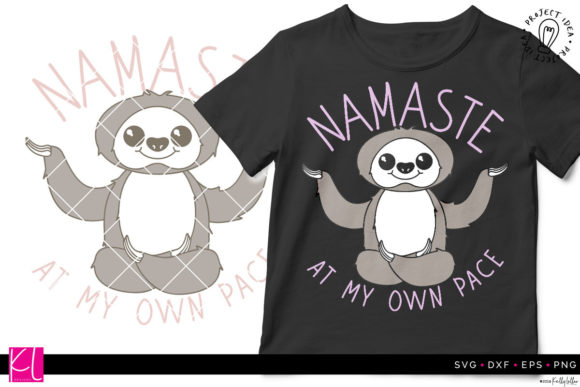
The immediate appeal of Namaste Sloth lies in its kawaii aesthetic combined with a relatable, humorous quote. For anyone running a craft business or selling on platforms like Etsy, emotional connection is half the battle. This design taps directly into the "slow living" trend without feeling dated. The visual weight is balanced—the sloth figure anchors the composition, while the punny text adds a layer of wit that customers love to read aloud.
From a pure design standpoint, the layout feels clean. There is no clutter. In embroidery, less is often more because excessive detail can turn into a muddy mess of overlapping stitches. The shape of the sloth appears soft and rounded, which naturally lends itself to smooth fill stitches rather than jagged edges. It creates a mood of relaxation and chill, making it perfect for brands that want to project comfort and approachability.
Real-World Application: Where Does It Shine?
I’ve been thinking about where this machine embroidery design would actually sell. It’s not just about what looks good on a screen; it’s about what looks good stitched onto fabric. Here are the scenarios where Namaste Sloth truly excels:
- Custom Apparel and Sweatshirts: The relaxed vibe pairs perfectly with oversized hoodies or cropped tees. Imagine this embroidered on the chest of a heather grey sweatshirt. The contrast between the cozy fabric and the playful character creates an instant hit for casual wear.
- Tote Bag Design: Canvas totes are a staple for craft fairs. This design works beautifully as a central focal point on a natural cotton tote. It signals to the buyer that the bag is fun, functional, and perhaps a bit sarcastic—traits that resonate with young professionals and students.
- Baby Embroidery and Nursery Decor: Sloths are inherently gentle creatures. When scaled appropriately, this design can work wonders on burp cloths, bibs, or small nursery wall hangings. The soft curves translate well to baby items, offering a sense of calm that parents appreciate.
- Personalized Gifts and Holiday Embroidery: During the holiday season, people look for unique gifts. A personalized pillow cover or kitchen towel featuring this sloth makes for a memorable housewarming gift. It’s quirky enough to stand out but safe enough for general gifting.
For the Etsy seller or small shop product creator, this design offers versatility. It bridges the gap between cute decor and witty apparel, allowing you to list the same digital file across multiple physical categories.
Technical Performance and Stitch Clarity
When evaluating an embroidery file, I always ask: will the details survive the stitching process? The text "Namaste at My Own Pace" needs to be legible. If the letters are too thin or the spacing too tight, they will pucker or become unreadable after washing. Based on the visual structure, the lettering appears robust enough to hold its shape, likely utilizing a clean satin stitch or a dense running stitch variant.
The sloth’s form suggests the use of fill stitch for the body, which provides a solid, opaque coverage that hides the base fabric nicely. This is crucial for dark fabric applications, where lighter threads need sufficient density to pop. The transition between the character and the text seems seamless, avoiding awkward gaps that might require complex jump stitches.
However, clarity depends heavily on your setup. The stitch density must be appropriate for the fabric weight. On a lightweight t-shirt, a dense fill might cause puckering. On a heavy canvas tote, it might feel stiff. Testing on scrap fabric is non-negotiable here. You need to ensure the thread colors chosen provide enough contrast against your chosen material.
Where to Use It Carefully
While versatile, Namaste Sloth is not a one-size-fits-all solution. There are specific contexts where this design might struggle:
- Small Hoop Sizes: If you attempt to digitize or embroider this on a very small hoop (under 4x4 inches), the text may become cramped. The fine details of the sloth’s face could lose definition if scaled down too far.
- Textured or Stretchy Fabrics: Knits and highly textured weaves can distort the stabilizer, leading to misalignment. On stretchy fabrics, the design might warp during stitching unless a strong cut-away stabilizer is used.
- Curved Surfaces Like Caps: While possible, embroidering a rectangular layout on a curved cap brim requires careful digitizing to compensate for distortion. A flat applique might be a safer alternative for structured hats.
- Dense Stitch Areas: If the design includes heavy decorative accents, it may become too thick for delicate garments like silk blouses or thin linen shirts.
Impact on Brand and Customer Trust
In the world of handmade products, presentation is everything. A high-quality finished product builds trust. When a customer receives an item with crisp edges, consistent tension, and clear imagery, they perceive higher value. Namaste Sloth contributes to this professionalism by offering a clean, uncluttered look that doesn’t rely on cheap-looking glitter or overly complex effects.
It also enhances brand consistency. If your boutique focuses on wellness, humor, or nature-inspired themes, this design aligns perfectly. It tells a story before the customer even reads the tag. For commercial embroidery projects, this kind of cohesive storytelling helps differentiate your offerings from mass-produced merchandise.
Practical Designer Notes for Implementation
Before you rush to produce a batch of these, keep these technical reminders in mind:
- Test on Scrap Fabric: Always run a test stitch-out on the exact fabric you plan to use. Check how the fabric texture interacts with the thread sheen.
- Check Thread Color Contrast: Ensure the thread colors chosen make the text readable. Light grey thread on white fabric will disappear; dark navy on black will vanish. Aim for high contrast.
- Confirm Hoop Size: Verify the dimensions of the design to ensure it fits your intended garment size. A design meant for a women’s large might be too big for a toddler’s shirt.
- Inspect Small Details: Zoom in on the digital preview. Are there any tiny elements that might get lost in the stitching? If so, consider simplifying the digitization.
- Use Proper Stabilizer: The right stabilizer prevents puckering. For knits, use a tear-away or cut-away depending on the garment’s stretch. For wovens, a water-soluble top stabilizer can help keep the surface smooth.
- Review Licensing: Before selling finished items, confirm the license terms. Some digital embroidery files allow personal use only, while others permit commercial sales. Protect your business by checking the fine print.
- Create Printable Mockups: Use the design assets to create realistic mockups for your online store. Seeing the sloth on a hoodie or tote bag helps buyers visualize the final product, increasing conversion rates.
Final Verdict
Namaste Sloth is a solid addition to any craft business library. It balances charm with commercial viability, offering a design that is both visually appealing and technically sound for most standard embroidery projects. Whether you are creating a personalized gift for a friend or stocking shelves for your handmade shop, this design delivers a professional result with a touch of humor. Just remember to test thoroughly, choose your materials wisely, and let the quality of the stitching speak for itself.