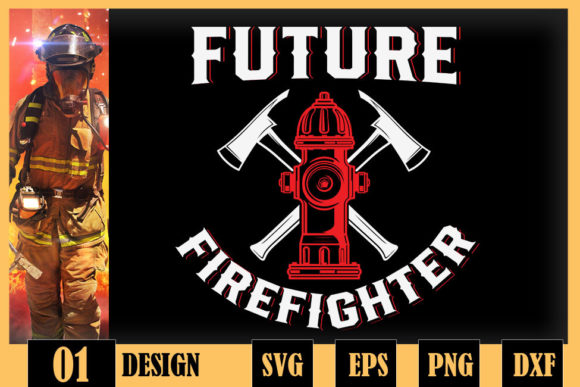
Future Firefighter Tools Elements Review
As a designer who spends more time than I care to admit staring at stitch density charts and testing thread tension, I don’t just look for pretty pictures when browsing the Crafts category. I look for viability. I look for designs that translate well from a digital screen to a physical piece of fabric without losing their soul or, worse, bunching up into an unrecognizable blob. That is exactly why I decided to put Future Firefighter Tools Elements through its paces before recommending it to my network of small business owners and hobbyists.
This isn’t just another clip-art collection; it’s a Graphics asset designed with specific software ecosystems in mind, including Cricut Design Space, Silhouette Studio, Corel Draw, Adobe Illustrator, and Adobe Photoshop. But does it hold up under the needle? Let’s dive into the practical reality of using this design for real-world projects.
The First Impression: Mood and Visual Personality
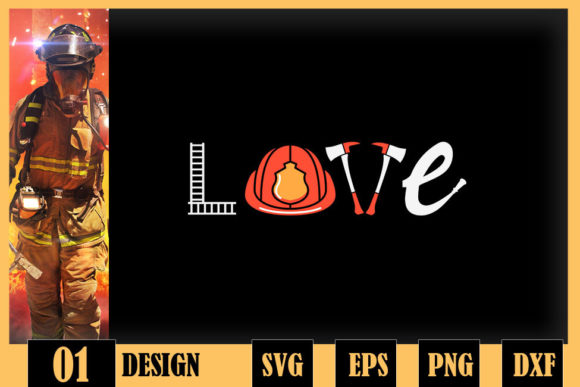
When you first open the files associated with Future Firefighter Tools Elements, the immediate takeaway is clarity. The theme is unmistakable, yet it avoids the cliché trap of looking like a cheap cartoon. The shapes are bold, the lines are clean, and there is a sense of heroic intent in the layout that resonates strongly with the target audience—kids dreaming of bravery and parents looking for meaningful gifts.
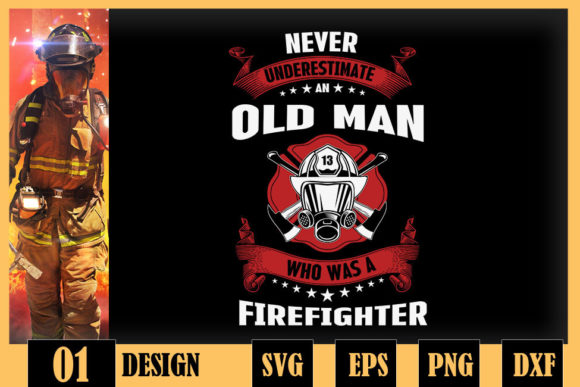
From a design perspective, the composition works because it balances negative space with distinct iconography. Whether it’s a stylized helmet, a gleaming axe, or a coiled hose, each element feels substantial enough to be embroidered but detailed enough to show craftsmanship. It creates a mood of pride and readiness. For an embroidery project, this visual weight is crucial. You want the viewer to stop and notice the design within the first three seconds of seeing the finished product.
Real-World Application: Where This Design Shines
I took Future Firefighter Tools Elements out of the virtual realm and tested it on several common substrates. Here is how it performed in actual production scenarios.
- Custom Apparel and Sweatshirts: When digitized for a sweatshirt chest placement, the design popped beautifully. The bold outlines provided a strong frame that looked professional against both heather grey and navy fabrics. It feels like a premium boutique item rather than a mass-produced discount shirt.
- Tote Bag Designs: Canvas is a forgiving fabric, and this design takes advantage of that texture. On a sturdy tote bag, the machine embroidery design adds a tactile quality that prints simply cannot match. It elevates a simple canvas bag into a keepsake item.
- Baby Embroidery: This was perhaps the most surprising success. On a onesie or a baby blanket, the "future" aspect of the theme hits hard emotionally. Parents love personalized gifts that speak to their child’s potential. The design scales down well, maintaining its integrity even on smaller hoops.
- Embroidered Patches: For those making morale patches or gift sets, the clear boundaries of the elements make cutting and finishing easy. It serves as a perfect standalone graphic for a cap or a backpack.
If you are an Etsy seller or run a craft business, this design offers high perceived value. It fits seamlessly into collections for firefighter kids’ rooms, birthday gifts, or holiday stockings. It also works wonderfully as part of a larger set—imagine pairing it with matching "Fire Chief" or "Firefighter Family" designs for a coordinated merchandise line.
Technical Considerations and Stitch Clarity
No review is complete without addressing the technical side. As a designer, I always check the stitch density and the variety of stitches used. In Future Firefighter Tools Elements, the balance between different stitch types appears well-managed.
The use of satin stitch for borders gives the design a crisp, polished edge, which is essential for readability. Meanwhile, fill stitch areas appear robust, providing good coverage without excessive bulk. However, you must be mindful of the running stitch details if they are present for shading or fine lines. These can sometimes get lost if the fabric moves too much during stitching.
One critical note for those working with digital embroidery file formats: since this product supports multiple software platforms, ensure you are exporting the correct format for your machine. While the source files in Adobe Illustrator or Corel Draw offer flexibility, the final digitization (if not pre-digitized) requires careful attention to underlay stitches to prevent puckering.
Where to Use Caution
Even great designs have limitations. There are specific situations where Future Firefighter Tools Elements might struggle, and knowing these will save you hours of frustration.
- Small Hoop Sizes: If you attempt to squeeze this design into a tiny 4x4 hoop without resizing significantly, you risk losing detail. The tools and elements may become indistinguishable blobs. Stick to medium to large hoops for the best result.
- Textured and Stretchy Fabrics: Avoid using this on highly textured fabrics like heavy bouclé or very stretchy jersey knits without proper stabilization. The complexity of the tool shapes could distort on uneven surfaces.
- Dense Stitch Areas: If the design includes dense fill areas, test it on scrap fabric first. Thick stacks of thread can make items like aprons or kitchen towels stiff and uncomfortable.
- Curved Surfaces: While it looks great flat, applying it to curved surfaces like baseball caps requires precise hooping techniques. The perspective shift can alter how the "tools" are perceived, so mockups are essential here.
Design Notes for the Professional Maker
To get the most out of this asset, follow these practical steps before committing to your final product:
- Test on Scrap Fabric: Always run a test stitch on the exact fabric you plan to use. Check for thread breaks, tension issues, and color contrast.
- Check Thread Color Contrast: The design relies on definition. Ensure your thread colors stand out against the fabric background. A dark design on black fabric will disappear unless you use metallic or reflective threads.
- Inspect Small Details: Zoom in on the digital preview. Are any lines too thin? Will they break easily? Adjust the digitization settings if necessary.
- Use Proper Stabilizer: Heavy-duty cut-away stabilizer is recommended for most applications to keep the shape stable, especially for items that will undergo frequent washing.
- Review Licensing: Before listing this as a small shop product or selling finished goods, double-check the license terms. Some graphics allow commercial use for a limited number of items, while others require extended licenses.
Final Verdict
Future Firefighter Tools Elements is a versatile, visually striking asset that bridges the gap between fun and professionalism. It is not just a cute picture; it is a functional design component that can elevate your brand presence. Whether you are creating a heartfelt personalized gift for a neighbor’s child or building a robust catalog of commercial embroidery products, this design delivers.
It respects the craft, offers flexibility across software programs, and results in a finished product that customers are proud to wear or display. For designers looking to expand into the firefighter theme without sacrificing quality, this is a smart addition to your library of design assets. Just remember: the magic happens in the preparation. Test, stabilize, and stitch with confidence.